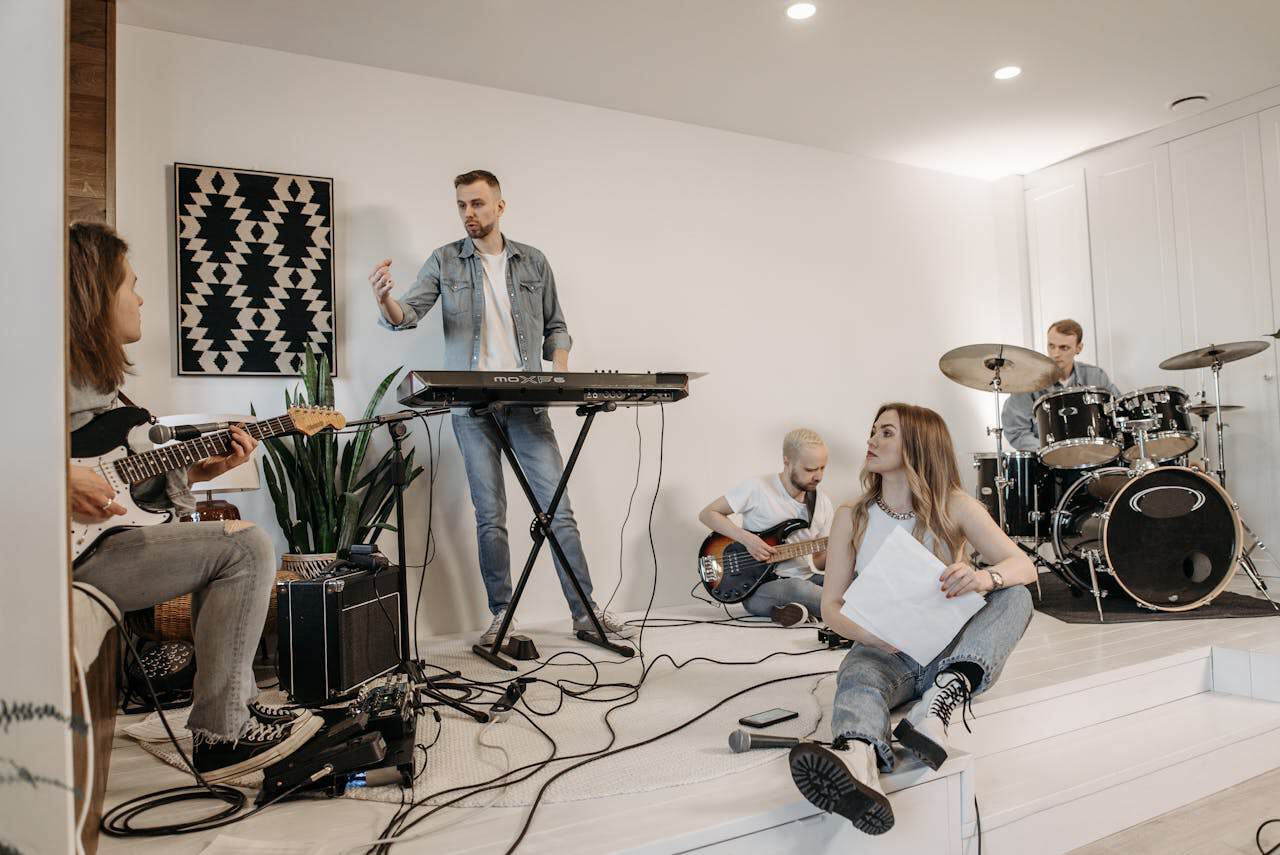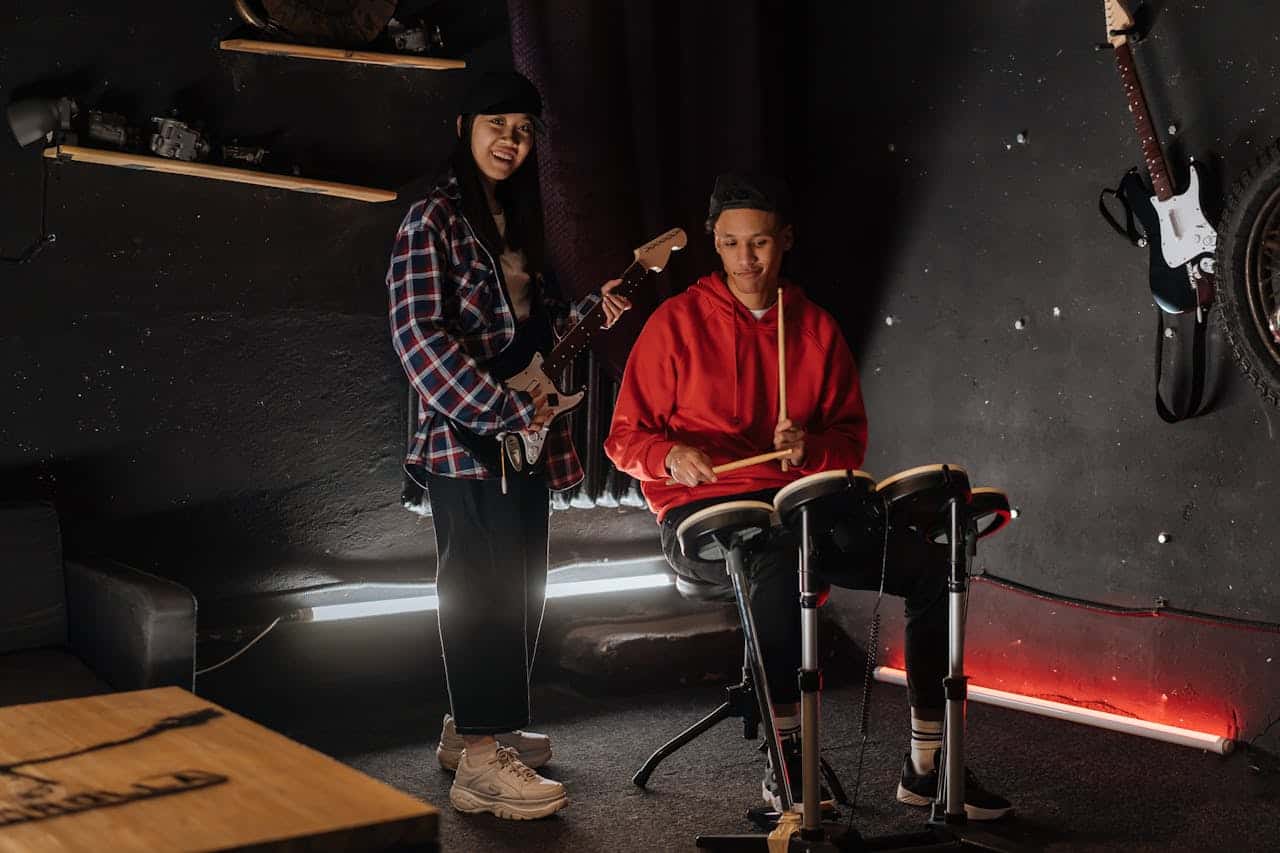
Music jam sessions are exciting opportunities for musicians to collaborate, experiment, and improve their performance skills in a relaxed and creative environment. Whether you are a beginner learning to play with others or an experienced artist exploring new musical ideas, jam sessions can help build confidence, creativity, and strong musical connections. Understanding how to participate effectively and improvise naturally can make the experience more enjoyable and rewarding.
Understanding the Purpose of Jam Sessions
Jam sessions are designed to encourage musical collaboration and spontaneous creativity. Unlike formal rehearsals or structured performances, jam sessions allow musicians to experiment with different rhythms, melodies, and improvisational techniques.
These sessions can involve various music styles including jazz, blues, rock, funk, acoustic, and modern fusion genres. The main goal is to create a positive environment where musicians can learn from each other and enjoy the process of making music together.
Tips for Joining a Jam Session
Listen Before Playing
Before jumping into a jam session, spend time listening to the rhythm, tempo, and musical flow. Understanding the structure of the performance helps you blend smoothly with other musicians.
Start Simple
New participants should avoid overplaying or trying to dominate the session. Simple chords, steady rhythms, and supportive playing often work better than complex solos at the beginning.
Respect Other Musicians
Successful jam sessions depend on teamwork and communication. Give other musicians space to perform, and avoid interrupting solos or changing the direction of the music unexpectedly.
Know Basic Music Theory
Understanding scales, chord progressions, timing, and rhythm patterns can make improvisation easier and help musicians communicate more effectively during live performances.
Improving Improvisation Skills
Improvisation is one of the most valuable skills musicians develop through jam sessions.
Learn Common Scales and Chords
Practicing blues scales, pentatonic scales, and common chord progressions can improve confidence during improvisation.
Focus on Rhythm
Strong rhythm often matters more than playing fast or complicated notes. Staying in time with the group helps maintain the energy and flow of the session.
Repeat and Develop Ideas
Simple musical phrases can become powerful when repeated and developed creatively. Good improvisation often focuses on feel, emotion, and interaction rather than technical complexity alone.
Listen and Respond
Improvisation works best when musicians actively respond to each other’s playing. Paying attention to dynamics and musical changes creates a stronger collaborative performance.
Jam Session Etiquette
Be Prepared
Bring properly tuned instruments, necessary equipment, and basic knowledge of common songs or progressions used in jam sessions.
Stay Positive and Open-Minded
Jam sessions involve musicians with different styles and experience levels. Maintaining a respectful and supportive attitude helps create a better environment for everyone.
Manage Volume Levels
Playing at balanced volume levels allows all musicians to hear each other clearly and improves overall sound quality.
Support the Groove
Not every musician needs to solo constantly. Supporting the rhythm and helping maintain the groove is equally important.
Benefits of Regular Jam Sessions
Participating in jam sessions regularly helps musicians improve performance confidence, stage presence, creativity, and adaptability. Musicians also gain valuable networking opportunities by connecting with bands, producers, venue organizers, and fellow artists.
Jam sessions can inspire songwriting ideas, strengthen musical communication, and encourage personal artistic growth. They also help reduce performance anxiety by creating a more relaxed live music environment.
Modern Jam Sessions and Online Collaboration
Technology has expanded the reach of jam sessions through online music communities, live-streaming platforms, and remote collaboration tools. Musicians can now connect globally, share performances, and collaborate virtually from different locations.
Social media platforms also help artists promote jam events, grow audiences, and build stronger music communities.
Conclusion
Music jam sessions are powerful experiences for musicians looking to improve skills, build confidence, and enjoy creative collaboration. By listening carefully, respecting other performers, practicing improvisation, and maintaining a positive attitude, musicians can become stronger performers and collaborators. Whether playing in local venues, rehearsal studios, or online communities, jam sessions continue to inspire creativity and bring people together through music.