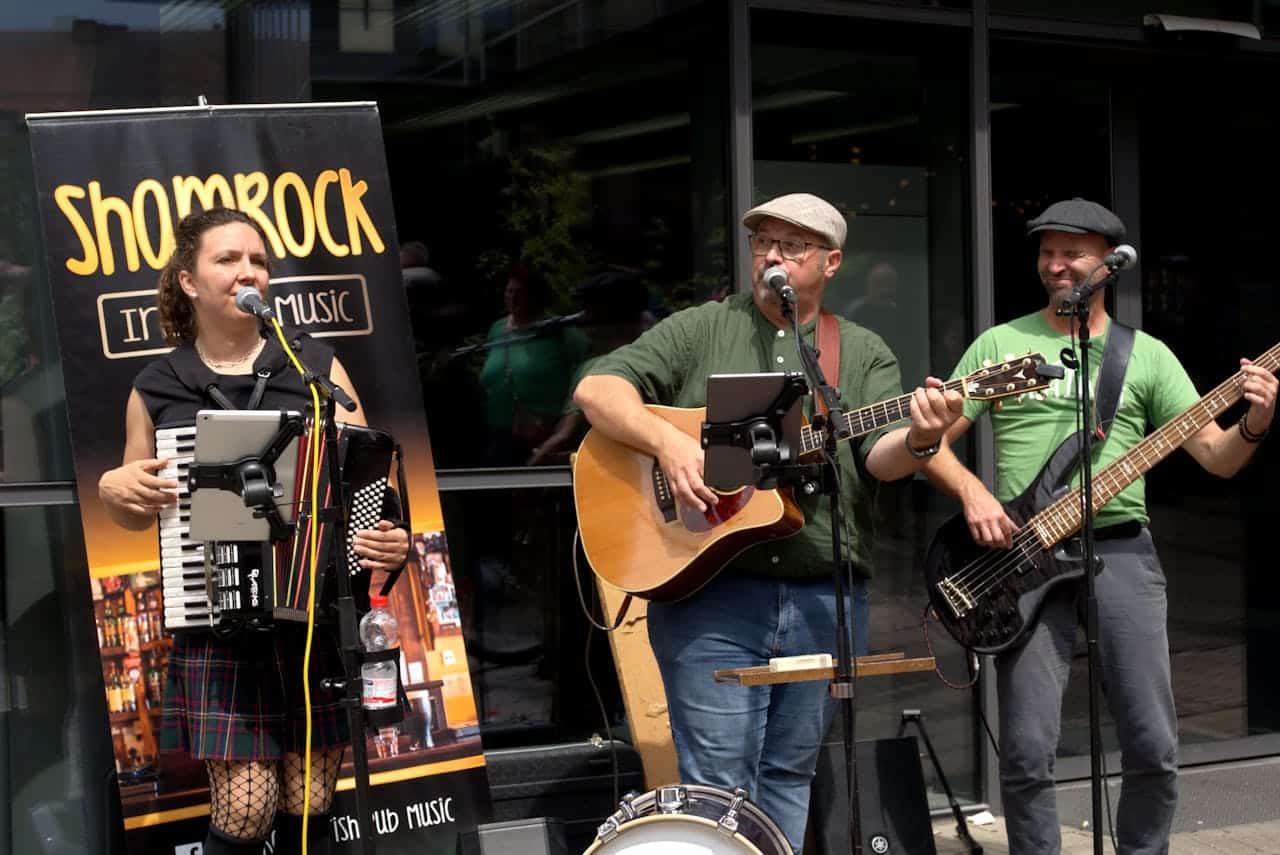
Live music events continue to play a major role in entertainment and music culture, bringing artists and audiences together through unforgettable performances and shared experiences. From intimate acoustic gigs and energetic concert performances to creative jam nights, live music creates an atmosphere that recorded music alone cannot replicate. For musicians, venues, and music lovers, live events provide opportunities for connection, creativity, and community engagement.
The Growing Popularity of Live Music Events
The demand for live entertainment has continued to grow as audiences seek authentic and immersive experiences. Music fans enjoy the excitement, energy, and emotional connection that come from seeing artists perform in real time.
Live events now range from small local performances in cafes and lounges to large-scale concerts and music festivals. Social media and digital promotion have also helped independent artists reach wider audiences and organize successful live shows more easily.
Different Types of Live Music Events
Local Gigs
Local gigs are smaller live performances often held in cafes, bars, restaurants, clubs, or community venues. These events help emerging musicians gain experience, build audiences, and showcase original music.
Concert Performances
Concerts feature organized live performances by solo artists, bands, or orchestras. These events may include professional stage production, lighting, sound systems, and larger audiences.
Acoustic Sessions
Acoustic performances focus on stripped-down musical arrangements that create more intimate listening experiences. These sessions are popular in smaller venues and relaxed environments.
Jam Nights
Jam nights encourage spontaneous collaboration between musicians. Artists often improvise together, creating unique live performances that showcase creativity and musical chemistry.
Open Mic Events
Open mic nights allow musicians, singers, and performers to present their talent in front of live audiences. These events support local artists and create opportunities for networking and creative expression.
Benefits of Live Music Events for Musicians
Building Performance Experience
Regular live performances help musicians improve stage confidence, audience interaction, and overall performance skills.
Growing a Fan Base
Live events allow artists to connect directly with audiences and create memorable experiences that strengthen fan loyalty.
Networking Opportunities
Performances and jam nights help musicians connect with venue owners, event organizers, producers, and fellow artists who may lead to future collaborations and opportunities.
Creative Development
Live performances often inspire new ideas, musical experimentation, and stronger artistic identity.
Why Audiences Enjoy Live Music
Music lovers attend live events for entertainment, social experiences, and emotional connection. Live performances create an atmosphere filled with energy, spontaneity, and audience interaction.
Unlike recorded music, live performances often include improvisation, crowd engagement, and unique interpretations of songs that make each event feel special and memorable.
Organizing Successful Live Music Events
Choosing the Right Venue
Selecting a suitable venue is important for audience comfort, sound quality, and overall atmosphere. Venue size should match expected attendance and performance style.
Sound and Lighting Setup
Professional sound systems and proper lighting improve audience experiences and help musicians perform more effectively.
Event Promotion
Social media platforms, posters, online ticketing, and local community marketing can help attract larger audiences and increase event visibility.
Creating a Positive Experience
Friendly staff, organized scheduling, and audience engagement contribute to successful live events and encourage repeat attendance.
Technology and Modern Live Music
Technology has transformed how live music events are promoted and experienced. Artists now use live-streaming platforms, online ticket sales, and social media marketing to expand their reach.
Hybrid events that combine physical audiences with online streaming are becoming increasingly popular, allowing artists to connect with global fans while increasing visibility and revenue opportunities.
Challenges in the Live Music Industry
Despite growing popularity, live music events face challenges such as venue costs, equipment expenses, scheduling issues, and audience competition. Independent musicians may also struggle with promotion and financial limitations.
Strong planning, creative marketing, and audience engagement strategies can help overcome these challenges and improve event success.
Conclusion
Live music events continue to be an essential part of entertainment and music culture. Gigs, concerts, acoustic sessions, and jam nights provide valuable opportunities for musicians to perform, connect, and grow creatively while offering audiences memorable and engaging experiences. As technology and music communities continue to evolve, live music remains a powerful way to bring people together through creativity, performance, and shared passion for music.