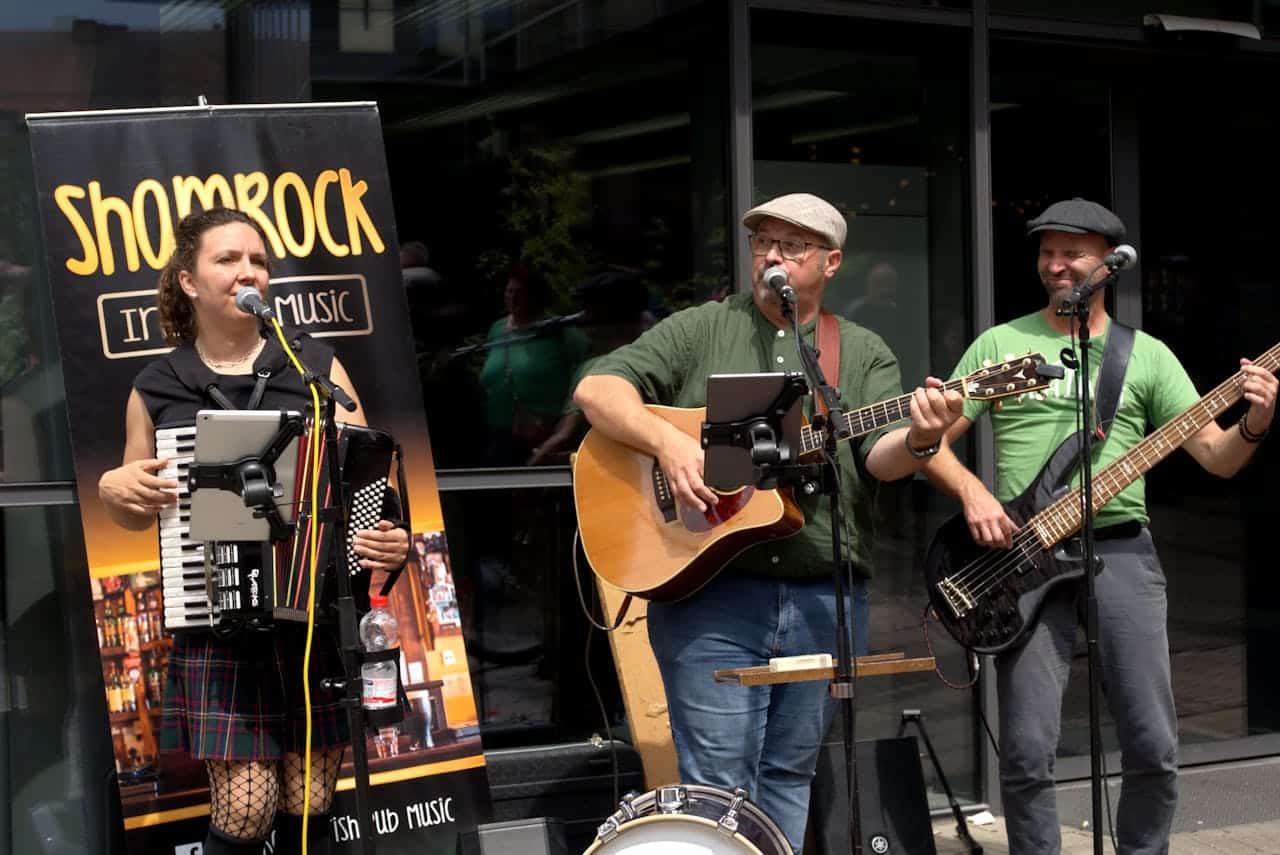
Open mic nights have become one of the most popular ways for musicians, singers, comedians, poets, and performers to showcase their talent in front of live audiences. These events create welcoming spaces where artists of all experience levels can perform, gain confidence, and connect with creative communities. Whether held in cafes, music venues, lounges, or community spaces, open mic nights offer valuable opportunities for artistic growth and audience engagement.
What Is an Open Mic Night?
An open mic night is a live event where performers sign up to present their talent on stage for a limited amount of time. Unlike formal concerts, open mic events are usually more relaxed and community-focused, encouraging participation from both beginners and experienced artists.
These events often feature live music, acoustic performances, spoken word poetry, stand-up comedy, storytelling, and other creative acts. Open mic nights help create supportive environments where performers can experiment and improve their stage presence.
Benefits of Open Mic Nights for Musicians
Building Stage Confidence
Performing regularly in front of live audiences helps musicians become more comfortable on stage. Open mic nights reduce performance anxiety and improve public confidence over time.
Improving Performance Skills
Live performances help artists develop timing, audience interaction, vocal control, and stage communication. Musicians also learn how to adapt quickly to different environments and crowd responses.
Networking With Other Artists
Open mic events often bring together musicians, producers, venue owners, and local creative communities. These connections can lead to collaborations, future gigs, and career opportunities.
Testing Original Material
Many artists use open mic nights to perform new songs and receive audience feedback. This helps musicians refine their material and understand what connects with listeners.
Preparing for an Open Mic Performance
Choose the Right Songs
Select songs that match your style, skill level, and performance confidence. Simple and well-practiced performances often leave stronger impressions than overly complicated arrangements.
Practice Consistently
Preparation is important for smooth performances. Rehearse lyrics, chord progressions, transitions, and timing before the event.
Bring the Necessary Equipment
Some venues provide microphones and sound systems, while others may require performers to bring instruments, cables, or accessories. Checking event requirements in advance helps avoid technical problems.
Arrive Early
Arriving early allows performers to register, understand the venue setup, and become comfortable with the environment before performing.
Open Mic Etiquette
Respect Other Performers
Supporting fellow artists creates a positive and encouraging atmosphere. Listening attentively and applauding performances helps build stronger creative communities.
Stay Within Time Limits
Most open mic events have limited performance slots. Respecting time limits ensures all participants have a chance to perform.
Maintain Professionalism
Even casual events benefit from professional behavior. Being prepared, polite, and organized leaves positive impressions on audiences and organizers.
Handle Mistakes Calmly
Minor mistakes are common during live performances. Staying calm and continuing confidently often matters more than perfect execution.
Tips for Engaging the Audience
Connect Emotionally
Audiences respond strongly to authenticity and emotion. Performing with confidence and genuine passion creates stronger audience engagement.
Communicate Between Songs
Brief introductions or stories about songs can help audiences connect more personally with the performance.
Focus on Stage Presence
Eye contact, posture, and body language contribute to stronger live performances and audience interaction.
The Role of Technology and Social Media
Social media platforms help musicians promote performances, connect with audiences, and share live event content. Many artists use open mic performances to create videos, grow online communities, and increase visibility.
Some venues also livestream performances, allowing artists to reach larger digital audiences beyond the local event.
Challenges Performers May Face
Open mic nights can sometimes feel intimidating for new performers. Nervousness, technical issues, unfamiliar audiences, and unexpected mistakes are common challenges.
Regular participation and preparation help performers become more comfortable and improve over time. Supportive creative communities also make the experience more enjoyable and rewarding.
Conclusion
Open mic nights provide valuable opportunities for musicians and performers to develop skills, gain confidence, and connect with live audiences. These events encourage creativity, collaboration, and artistic growth while supporting local music and performance communities. Whether performing original songs, acoustic covers, poetry, or comedy, open mic nights remain an important platform for creative expression and live entertainment.