
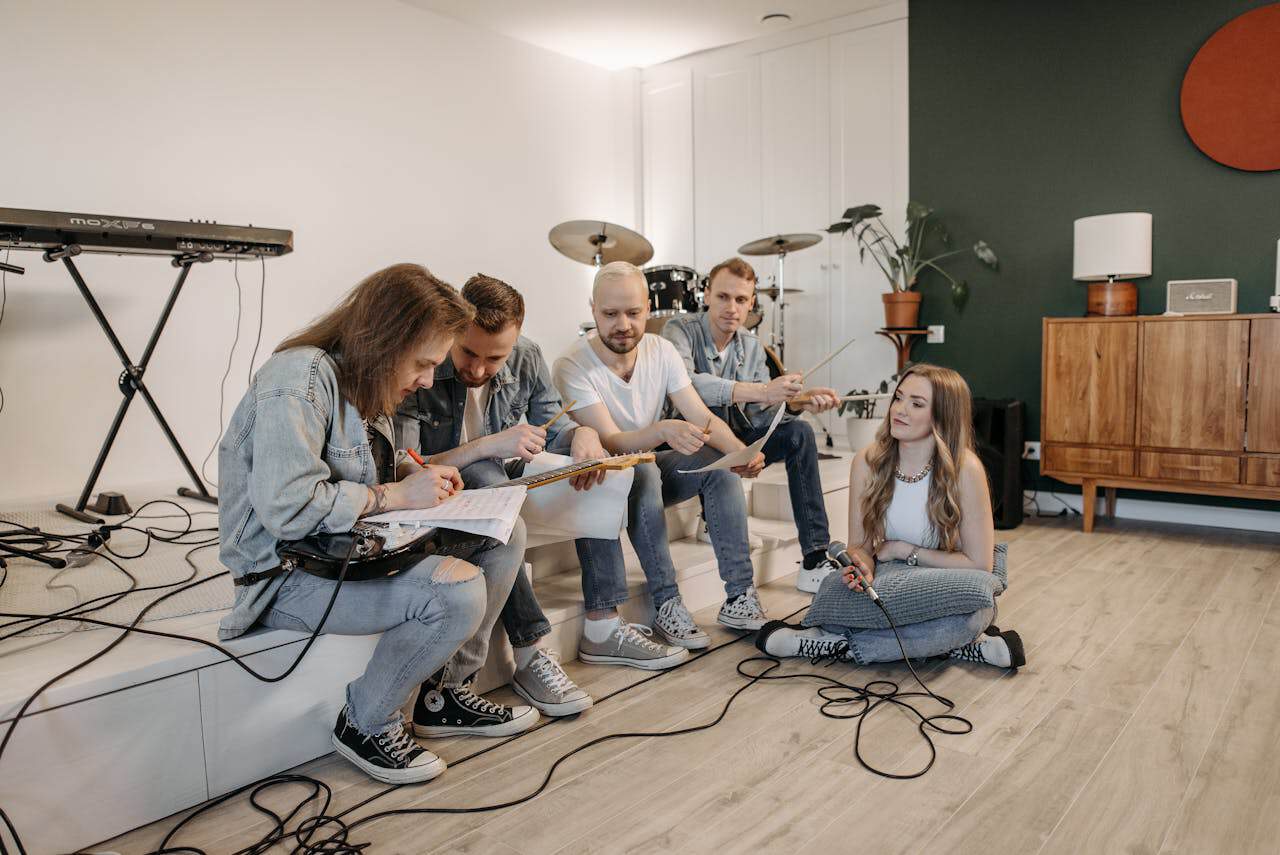
Music collaboration is one of the most powerful ways for artists to grow creatively, develop new ideas, and build meaningful connections within the music industry. Whether working in bands, songwriting teams, production groups, or live performance projects, collaboration allows musicians to combine different talents, styles, and perspectives to create unique musical experiences. Strong communication, creativity, and teamwork are essential for successful music partnerships.
Why Music Collaboration Matters
Collaborating with other musicians helps artists explore new sounds, improve technical skills, and gain creative inspiration. Working with different personalities and musical backgrounds often leads to fresh ideas that may not emerge during solo work.
Collaboration also creates networking opportunities and can help artists expand audiences, improve performance quality, and increase visibility within the music community.
Benefits of Music Collaboration
Creative Growth
Working with other musicians introduces different songwriting approaches, rhythms, melodies, and production techniques that can strengthen artistic creativity.
Shared Skills and Strengths
Each artist brings unique abilities to the project. Some musicians excel at lyrics, while others focus on composition, production, vocals, or instrumentation.
Increased Motivation
Collaborative projects often help artists stay inspired and productive. Working together creates accountability and encourages consistent creative progress.
Broader Audience Reach
Collaborating with other artists allows musicians to connect with different fan bases and increase exposure through shared promotion and performances.
Tips for Successful Music Collaboration
Communicate Clearly
Open and honest communication is essential during any collaboration. Discuss creative ideas, expectations, schedules, and goals early in the process to avoid misunderstandings later.
Respect Creative Differences
Every artist has a unique style and perspective. Successful collaborations involve listening carefully, staying flexible, and finding balance between different ideas.
Define Roles and Responsibilities
Clear responsibilities help projects move smoothly. Decide who will handle songwriting, production, vocals, mixing, promotion, or performance planning.
Stay Open to Experimentation
Creative collaborations often work best when artists are willing to try new sounds, genres, and techniques outside their comfort zones.
Focus on the Song or Project
Personal ego should never become more important than the quality of the music. Prioritizing the overall project helps maintain stronger creative relationships.
Collaboration Tips for Bands
Build Strong Communication
Bands function more effectively when members communicate regularly about rehearsals, creative direction, performances, and long-term goals.
Practice Together Consistently
Frequent rehearsals strengthen chemistry, timing, and stage coordination while improving overall musical quality.
Encourage Individual Creativity
Allowing band members to contribute ideas freely can lead to more dynamic songwriting and stronger musical identity.
Resolve Conflicts Professionally
Creative disagreements are common in bands. Handling conflicts calmly and respectfully helps maintain healthy working relationships.
Songwriting Collaboration Strategies
Start With Simple Ideas
Many successful songs begin with simple chord progressions, melodies, or lyrical concepts that evolve naturally through collaboration.
Share Honest Feedback
Constructive feedback improves songwriting quality and helps artists refine ideas more effectively.
Combine Different Strengths
Pairing lyric-focused writers with melody-driven musicians often creates more balanced and engaging songs.
Record Demo Ideas
Recording rough demos during sessions helps preserve creative ideas and allows collaborators to review progress later.
Technology and Online Collaboration
Modern technology has transformed music collaboration. Artists can now work remotely using digital audio workstations, cloud storage, messaging apps, and live collaboration tools.
Online platforms also help musicians discover collaborators, share projects, and release music globally. Remote collaboration has become especially valuable for independent artists working across different cities and countries.
Challenges in Music Collaboration
Collaboration can sometimes involve scheduling conflicts, creative disagreements, communication issues, or uneven workloads. Clear expectations and professional attitudes help reduce these challenges.
Maintaining mutual respect, patience, and flexibility is important for building successful long-term creative partnerships.
Conclusion
Music collaboration allows bands, artists, and songwriters to grow creatively while building stronger connections within the music industry. Through clear communication, mutual respect, and openness to new ideas, musicians can create more dynamic and meaningful projects together. Whether working in studios, rehearsal spaces, live performances, or online environments, collaboration continues to play a major role in shaping modern music and artistic innovation.