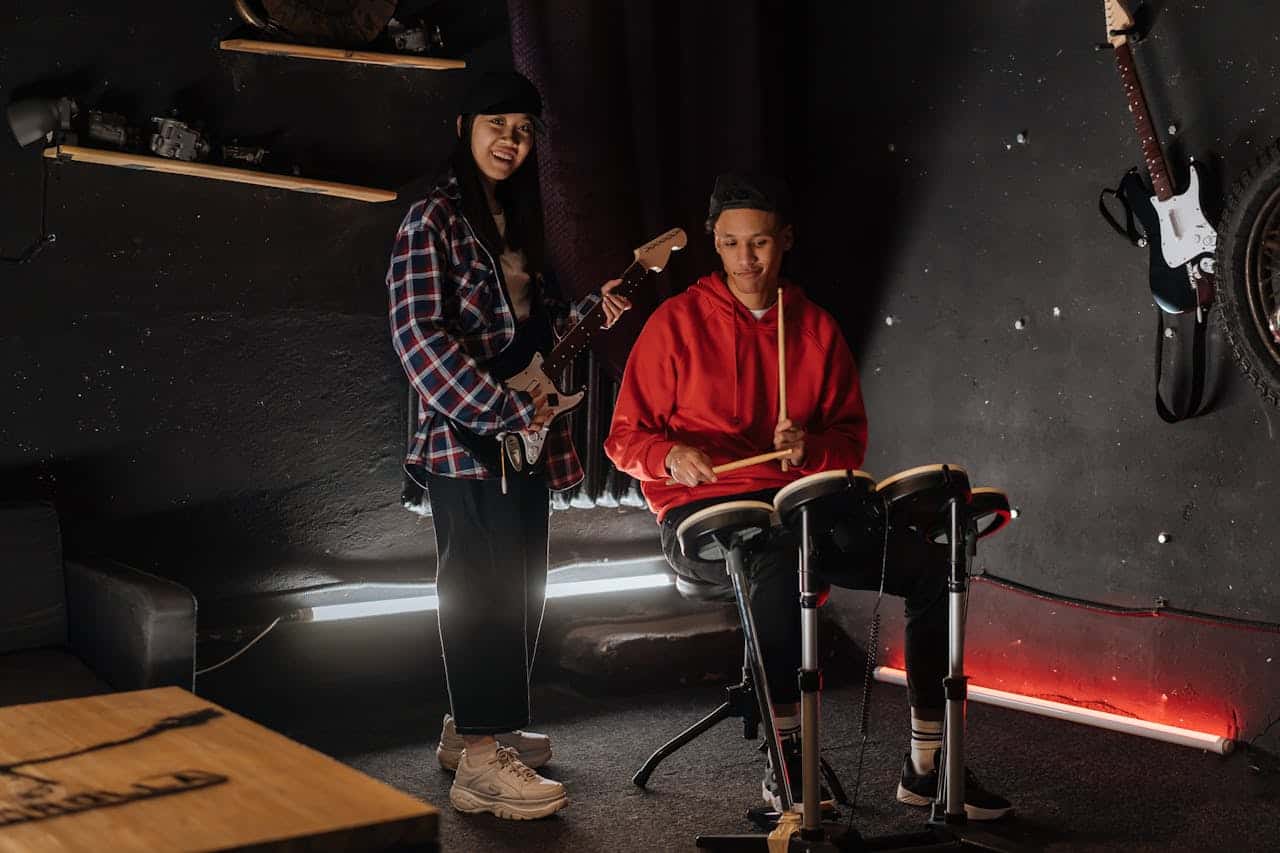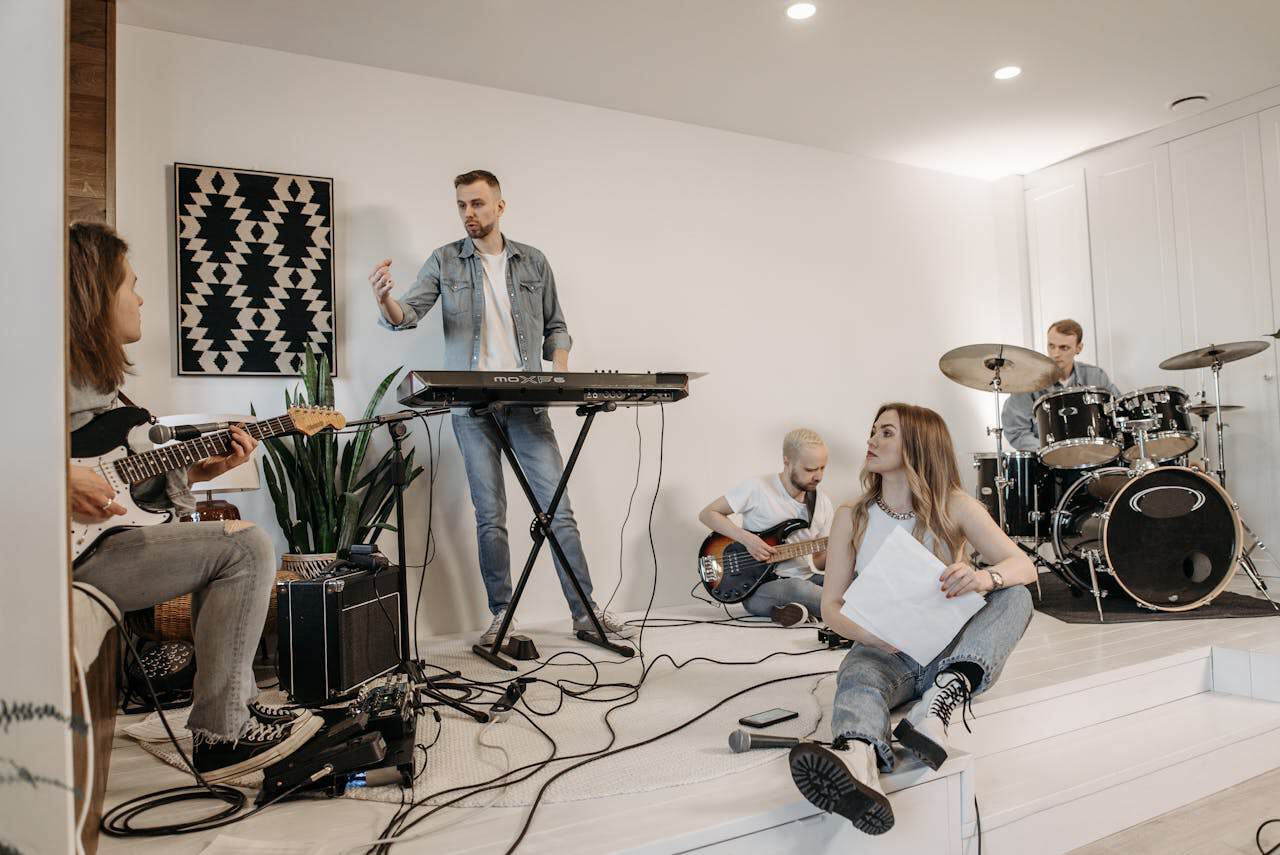
Jam sessions have long been an important part of music culture, bringing musicians together to create, experiment, and connect through live performance. Whether held in small studios, local cafes, rehearsal spaces, or large music venues, jam sessions provide a creative environment where artists can collaborate freely and develop their musical skills. For musicians, bands, and music lovers, jam sessions offer an exciting way to experience authentic and spontaneous music.
What Are Jam Sessions?
A jam session is an informal musical gathering where musicians perform together, often without extensive preparation or structured arrangements. These sessions encourage improvisation, creativity, and collaboration among artists from different musical backgrounds.
Jam sessions can include a variety of music genres such as jazz, blues, rock, hip-hop, funk, acoustic, and electronic music. Some sessions focus on freestyle improvisation, while others revolve around popular songs or original compositions.
Benefits of Jam Sessions for Musicians
Jam sessions provide valuable opportunities for both beginner and experienced musicians.
Improving Musical Skills
Playing with other musicians helps artists improve timing, rhythm, improvisation, and listening abilities. Live collaboration encourages quick thinking and musical adaptability.
Building Confidence
Performing in a relaxed and supportive environment allows musicians to gain confidence on stage and become more comfortable with live audiences.
Networking Opportunities
Jam sessions often connect musicians with bands, producers, venue owners, and fellow artists. These connections can lead to future performances, collaborations, and professional opportunities.
Creative Inspiration
Collaborating with different musicians introduces new sounds, techniques, and musical ideas that can inspire original creativity and artistic growth.
Jam Sessions for Bands
Bands can use jam sessions to strengthen chemistry, test new material, and explore fresh musical directions.
Song Development
Improvised sessions often lead to new melodies, lyrics, and arrangements. Many successful songs begin as spontaneous jam session ideas.
Team Connection
Regular jam sessions improve communication and trust among band members. Playing together outside formal rehearsals creates stronger musical understanding.
Live Performance Preparation
Jam sessions help bands practice stage interaction and audience engagement while experimenting with performance styles in a low-pressure environment.
Why Music Lovers Enjoy Jam Sessions
Music lovers are drawn to jam sessions because of their authenticity and unpredictability. Unlike highly structured concerts, jam sessions create unique performances that may never happen the same way again.
Audiences often enjoy the relaxed atmosphere, live energy, and direct connection between musicians. Smaller venues also allow listeners to experience music more personally and interact with artists more closely.
Creating a Successful Jam Session
Choose the Right Environment
Comfortable venues with good sound equipment and enough space help create a positive experience for both performers and audiences.
Encourage Collaboration
Open communication and respect between musicians are essential. Jam sessions work best when artists support each other creatively.
Keep the Atmosphere Relaxed
A welcoming and pressure-free environment allows musicians to experiment freely and enjoy the creative process.
Promote the Event
Social media, local music communities, and online event platforms can help attract musicians and audiences to jam sessions.
Technology and Modern Jam Sessions
Technology has expanded the possibilities for jam sessions. Musicians can now collaborate remotely through live-streaming platforms, online music communities, and virtual recording tools.
Social media platforms also help artists share performances, build audiences, and connect with global music communities. Digital promotion has made it easier for independent musicians to organize events and grow their presence.
Challenges in Jam Sessions
Despite their benefits, jam sessions can sometimes face challenges such as equipment issues, inconsistent participation, or lack of coordination. Managing different skill levels and musical styles may also require patience and flexibility.
Strong organization, clear communication, and mutual respect help create smoother and more enjoyable experiences for everyone involved.
Conclusion
Jam sessions remain one of the most creative and exciting parts of music culture. They provide musicians with opportunities to improve skills, build connections, and explore artistic freedom while giving audiences authentic live music experiences. Whether for professional growth, creative expression, or pure enjoyment, jam sessions continue to bring musicians and music lovers together through the power of collaboration and live performance.